Introduction
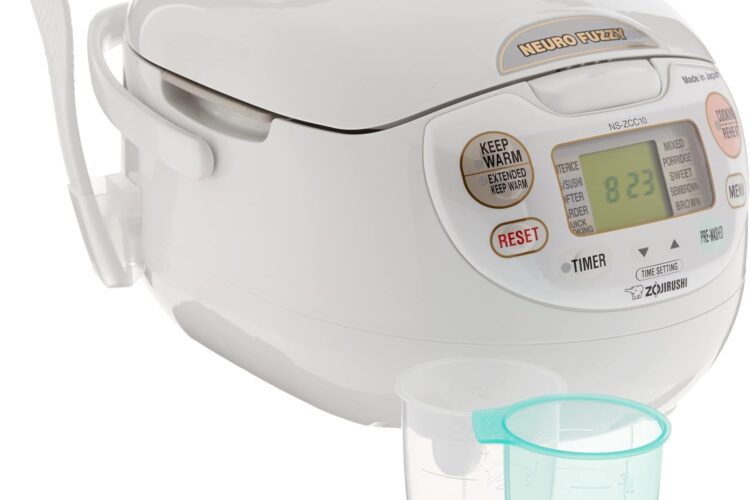
Rice cooking technology has evolved well past the simple “press a button and wait” approach of early appliances, and one of the more interesting developments in that evolution has been what’s often referred to as fuzzy logic cooking. The Zojirushi NS-ZCC10 is built around this kind of “Neuro Fuzzy” system, designed to adjust cooking parameters in a more nuanced way than standard micom rice cookers. With a 5-1/2-cup capacity and a clean, premium white finish, it’s aimed at households that want a higher level of cooking precision in a fairly compact appliance.
This article goes through what the NS-ZCC10 offers, the kinds of everyday cooking tasks it tends to be used for, who it’s likely to suit best, and a few practical considerations worth thinking about before deciding if it fits your kitchen. As always, the focus here is on giving a clear, useful overview rather than making any exaggerated claims.
Key Features
The “Neuro Fuzzy” name refers to a specific category of cooking logic that distinguishes this model from more basic rice cookers.
Neuro Fuzzy Logic Technology — This is a more advanced form of microcomputer-based cooking control, designed to make more nuanced, ongoing adjustments to heat and timing throughout the cooking process based on real-time sensor feedback, rather than following a single fixed program.
5-1/2-Cup Capacity — This sizing is generally well suited for small to medium households, providing enough cooked rice for typical family meals without significant excess.
Multiple Cooking Settings — Beyond standard white rice, many Neuro Fuzzy models include settings for varieties like sushi rice, brown rice, and sometimes porridge or other rice-based dishes, each calibrated with different timing profiles.
Automatic Keep-Warm Function — Once the cooking cycle finishes, the appliance generally shifts into a warming mode designed to maintain a pleasant serving temperature without overcooking or drying out the rice.
Premium White Finish — The exterior design favors a clean, simple aesthetic that tends to blend easily into a variety of kitchen color schemes and styles.
Delay Timer Function — Many Neuro Fuzzy rice cookers include a timer feature that allows rice to be set up in advance and finish cooking at a specific time, which can be useful for planning meals around a household’s schedule.
Detachable, Easy-Clean Components — Components like the inner lid and steam vent are generally designed to be removable for easier cleaning, helping maintain hygiene and performance over time.
The combination of more advanced fuzzy logic technology with a thoughtful set of practical features is what positions this model as a step up from more basic rice cookers within the same general capacity range.
How It Can Be Used
Given its more advanced cooking logic and multiple settings, the NS-ZCC10 tends to be used across a fairly wide range of rice and grain preparation tasks.
Everyday White Rice — The core function remains preparing consistent, well-textured white rice, with the fuzzy logic system designed to fine-tune cooking based on factors like rice quantity and ambient conditions.
Sushi Rice — A dedicated sushi rice setting is generally calibrated for the specific water ratio and texture needed for rice used in sushi preparation, which differs somewhat from standard steamed rice.
Brown Rice and Whole Grains — Settings for brown rice or other whole grains typically extend cooking time and adjust water absorption parameters to suit these denser grain types compared to white rice.
Delayed Cooking for Meal Planning — The timer function allows rice to be prepared in advance, so it finishes cooking right around meal time, which can be especially useful for busy schedules or coordinating with other dishes.
Extended Keep-Warm Periods — The keep-warm function is often used to hold rice at a safe temperature for hours after cooking, accommodating households with staggered meal times.
Porridge or Rice-Based Dishes — Depending on the specific settings included, some Neuro Fuzzy cookers can also handle softer rice porridge preparations, which require different water ratios and longer cooking times.
This range of functions means the appliance often becomes a regular part of meal preparation beyond just basic rice, particularly for households that value the added precision the fuzzy logic system offers.
Who It May Be Suitable For
Certain households and cooking priorities tend to align particularly well with this kind of advanced rice cooker.
Households that prioritize rice texture consistency — For those who are particular about getting rice texture just right every time, the more nuanced adjustments offered by fuzzy logic technology may provide a noticeable improvement over more basic rice cookers.
People who cook a variety of rice types regularly — Households that switch between white rice, sushi rice, and brown rice throughout the week may benefit from having dedicated settings calibrated for each type.
Busy individuals or families using delayed timers — The timer function appeals to those who want to set up rice in the morning or earlier in the day and have it ready to go at a specific mealtime without manual intervention.
Small to medium households — The 5-1/2-cup capacity is generally well matched to one to four people, depending on how much rice is part of a typical meal.
Those who appreciate a clean, simple aesthetic — The premium white finish may appeal specifically to buyers looking for an appliance that fits a lighter, more minimal kitchen look.
Larger households needing significantly bigger batches, or those who only prepare rice occasionally and don’t need the added precision of fuzzy logic technology, might find a simpler or larger-capacity model better suited to their needs.
Important Things to Consider
There are a handful of practical points worth keeping in mind before choosing this type of rice cooker.
Price relative to basic rice cookers — More advanced fuzzy logic technology generally comes at a higher price point compared to simpler, single-cycle rice cookers, so it’s worth considering whether the added precision matters enough for your specific cooking habits.
Capacity for larger households — At 5-1/2 cups, this model is best suited to smaller to medium groups, so larger families may need to cook in multiple batches or consider a bigger-capacity unit.
Learning the different settings — With multiple cooking modes available, there can be a small learning curve in understanding which setting works best for a specific rice type or dish, especially when first using the appliance.
Routine cleaning requirements — Like most rice cookers, regular cleaning of the inner pan, lid, and steam vent components is necessary to maintain consistent performance and prevent buildup over time.
Storage and counter space — While generally compact, the appliance still requires a dedicated spot in the kitchen, and considering available space before purchase is a practical step.
These are fairly typical considerations for advanced rice cookers in this category and shouldn’t overshadow the genuine convenience the appliance offers for regular rice preparation.
Comparison of General Categories
Understanding how Neuro Fuzzy rice cookers compare to other general categories can help frame this kind of purchase decision.
Neuro Fuzzy rice cookers vs. standard micom rice cookers — Standard micom cookers already offer some degree of automated adjustment, but Neuro Fuzzy technology generally takes that a step further with more nuanced, continuous fine-tuning throughout the cooking process, which can result in more consistent texture across varying conditions.
Neuro Fuzzy rice cookers vs. basic on/off rice cookers — Basic rice cookers rely on a single heating cycle without ongoing adjustments, which can lead to more variable results depending on rice type, quantity, or water ratio compared to more advanced fuzzy logic models.
Advanced rice cookers vs. pressure-based induction models — Pressure-based rice cookers can cook certain grains, particularly brown rice, somewhat faster, but they often come with a higher price point and added mechanical complexity compared to fuzzy logic models.
Dedicated rice cookers vs. multi-cooker rice settings — A dedicated rice cooker, especially one using fuzzy logic technology, is generally optimized specifically for rice texture, which can offer an edge over the rice function found in general-purpose multi-cookers designed to handle many different tasks.
The right choice ultimately depends on how much value you place on rice texture precision, how often you cook different rice varieties, and whether the added cost of more advanced technology fits your budget and cooking priorities.
Frequently Asked Questions
What’s the difference between micom and Neuro Fuzzy technology? Micom refers to general microcomputer-based control in rice cookers, while Neuro Fuzzy is a more advanced subset of that technology, designed to make more nuanced, continuous adjustments throughout the cooking cycle based on real-time conditions.
Does the timer function require advance setup each time? Yes, the delay timer generally needs to be set for each specific cooking session, allowing you to schedule when the rice should finish cooking based on your planned mealtime.
Can this rice cooker make sushi rice from start to finish? Many Neuro Fuzzy models include a dedicated sushi rice setting that adjusts water ratio and cooking parameters specifically for that style of rice, though the rice still typically needs to be seasoned separately according to your recipe.
How long does the keep-warm function safely hold rice? Keep-warm functions are generally designed to maintain rice at a safe serving temperature for several hours, though extended periods, such as overnight, generally aren’t recommended due to potential changes in texture.
Is this rice cooker more difficult to clean than basic models? Cleaning requirements are generally similar to other rice cookers, involving the inner pan, lid, and steam vent, with many components designed to be removable for easier maintenance.
Is the higher cost of Neuro Fuzzy technology worth it for occasional rice cooking? For those who only cook rice occasionally, a simpler and more affordable rice cooker may be sufficient. The added cost of fuzzy logic technology tends to offer more noticeable value for households that cook rice frequently and prioritize consistent texture.
Conclusion
The Zojirushi NS-ZCC10 brings Neuro Fuzzy logic technology to a 5-1/2-cup rice cooker, aiming to deliver more consistent, nuanced cooking adjustments compared to standard micom or basic rice cookers. With multiple settings for different rice types, a delay timer for meal planning, and a clean premium white finish, it’s designed for households that want a higher degree of precision in their everyday rice preparation.
That said, the added technology generally comes with a higher price point compared to simpler rice cookers, so it tends to make the most sense for those who cook rice frequently and care about getting consistent texture across different rice varieties. For households that fit that profile, the convenience and precision this kind of appliance offers can be a meaningful upgrade to everyday meal preparation.
If consistent, well-textured rice with added flexibility for timing and rice variety sounds like a good match for your kitchen, it may be worth exploring the Zojirushi NS-ZCC10 further to see how its features align with your cooking routine.