Introduction
Induction heating has become a notable step up in rice cooker technology, offering a different approach to how heat is applied to the cooking pan compared to traditional heating elements. The Zojirushi NW-QAC10 brings this induction-based system into a 5.5-cup capacity rice cooker, paired with a distinctive flat-top design and a custom cooking pan featuring a double non-stick coating. For households interested in more even heat distribution and a streamlined aesthetic, this model represents a more advanced category within rice cooking appliances.
This article explores what the NW-QAC10 offers, the kinds of cooking tasks it tends to handle, who it’s likely to suit, and practical considerations worth weighing before adding it to your kitchen. As always, the goal is a clear, balanced look at the appliance’s actual functionality.
Key Features
The induction heating system and flat-top design are the two standout characteristics that differentiate this model from more conventional rice cookers.
Induction Heating Technology — Rather than relying solely on a heating element beneath the pan, induction heating generates heat directly within the cooking pan itself using electromagnetic energy, which generally allows for more even and responsive heat distribution throughout the cooking process.
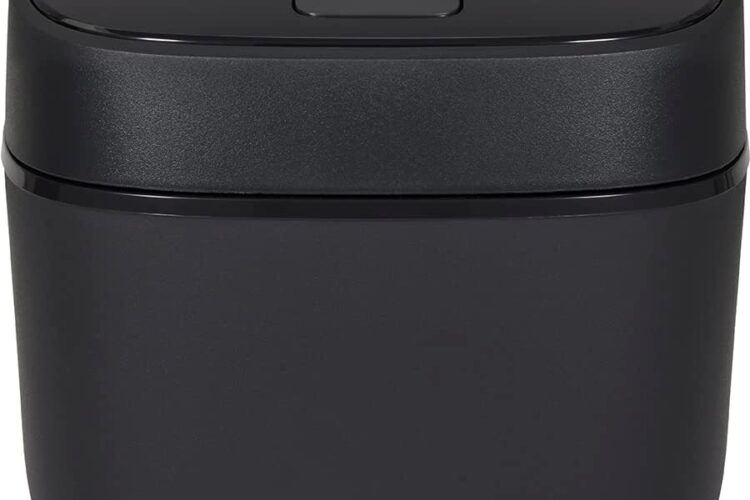
Flat-Top Design — Unlike traditional rice cookers with a recessed cooking chamber, this model features a flat-top surface, which contributes to a sleeker, more modern appearance and can simplify wiping down the exterior.
5.5-Cup Capacity — This sizing is generally well suited for small to medium households, providing enough cooked rice for typical family-sized portions without significant excess.
Custom Cooking Pan — The pan is specifically designed to work with the induction heating system, optimized for how the electromagnetic heating interacts with the pan material to produce consistent cooking results.
Double Non-Stick Coating — The cooking pan features two layers of non-stick coating, aimed at making cleanup easier and reducing the likelihood of rice sticking to the pan’s surface after cooking.
Multiple Menu Settings — As with other Zojirushi rice cookers, this model typically includes a range of settings for different rice types and possibly other grain or dish options, each calibrated for specific cooking parameters.
Automatic Keep-Warm Function — After the cooking cycle ends, the appliance generally transitions into a warming mode designed to maintain rice at a pleasant serving temperature without further cooking.
Black Finish — The exterior color option offers a sleek, neutral look that tends to coordinate well with a variety of kitchen color schemes and appliance finishes.
This combination of induction heating, a specialized pan, and a streamlined flat-top design positions the NW-QAC10 as a more premium option within the broader rice cooker category.
How It Can Be Used
Beyond standard rice preparation, the induction heating system in this model tends to support a few specific advantages in everyday use.
Everyday Rice Cooking with Even Heat Distribution — The core advantage of induction heating is more even heat throughout the cooking pan, which can translate into more consistent rice texture from edge to center compared to some traditional heating methods.
Sushi Rice and Specialty Rice Settings — Dedicated settings for sushi rice or other specific rice varieties are generally calibrated to account for the different water ratios and textures these dishes require.
Brown Rice and Denser Grains — Settings designed for brown rice or similar grains typically extend cooking time and adjust heating patterns to accommodate these denser, longer-cooking ingredients.
Easy Wipe-Down Maintenance — The flat-top design is generally easier to wipe clean on the exterior compared to more recessed rice cooker designs, which can accumulate steam condensation or splatter in harder-to-reach areas.
Extended Keep-Warm Use — As with most rice cookers, the warming function can be used to hold cooked rice at a safe serving temperature for an extended period, accommodating different meal timing within a household.
Simplified Cleanup with Double Non-Stick Coating — The enhanced non-stick coating on the custom pan is designed to reduce the effort needed to clean up after cooking, particularly for stickier rice varieties that can otherwise cling to the pan’s surface.
This focus on even heating and easier maintenance is what tends to draw people toward induction-based rice cookers over more basic heating element designs.
Who It May Be Suitable For
Certain households and priorities tend to align particularly well with this kind of induction rice cooker.
Households that prioritize consistent rice texture — Because induction heating tends to distribute heat more evenly, those who are particular about achieving uniform rice texture throughout the entire batch may notice a meaningful difference compared to more basic rice cookers.
People who value easier cleanup — The double non-stick coating and flat-top design are specifically aimed at making post-cooking cleanup less time-consuming, which may appeal to those who cook rice frequently and want to minimize maintenance effort.
Small to medium households — The 5.5-cup capacity generally suits one to four people, depending on how much rice factors into typical meals.
Buyers interested in a sleeker kitchen aesthetic — The flat-top design and black finish may appeal to those who want their rice cooker to blend more seamlessly into a modern kitchen look rather than standing out as a bulky, recessed appliance.
Those upgrading from a basic rice cooker — People who have used simpler rice cookers in the past and want to step up to more advanced heating technology may find the induction system a worthwhile improvement.
Households that don’t have strong preferences around heating technology or aesthetic design, or those on a tighter budget, might find that a more basic micom rice cooker meets their needs just as well at a lower price point.
Important Things to Consider
There are a few practical points worth weighing before choosing this type of induction rice cooker.
Higher price point — Induction heating technology and custom cooking pans generally come at a higher cost compared to more basic rice cookers, so it’s worth considering whether the benefits align with your budget and how frequently you’ll use the appliance.
Capacity for larger groups — At 5.5 cups, this model is well suited to small and medium households, but larger families regularly cooking bigger batches may need to consider a larger-capacity unit or multiple cooking cycles.
Custom pan compatibility — Because the cooking pan is specifically designed for this model’s induction system, replacement pans, if ever needed, would generally need to be the manufacturer’s specific compatible part rather than a generic substitute.
Care for the non-stick coating — Despite the double coating, like all non-stick surfaces, gentle cleaning and avoiding metal utensils can help extend the coating’s performance and lifespan over time.
Learning the available settings — With multiple menu options, there may be a brief learning curve in understanding which setting produces the best results for specific rice types or dishes.
These considerations are worth balancing against the genuine benefits of more even heating and easier cleanup that induction technology tends to offer.
Comparison of General Categories
Looking at how induction rice cookers compare to other general categories can help clarify where this model fits within the broader rice cooker landscape.
Induction heating vs. traditional heating element rice cookers — Traditional rice cookers use a heating element positioned beneath the cooking pan, which can sometimes result in slightly uneven heat distribution, while induction heating generates heat within the pan itself, generally producing more consistent results throughout the batch.
Flat-top design vs. recessed cooking chamber designs — Recessed designs are more common and familiar, but flat-top designs tend to be easier to wipe down on the exterior, trading off some of the traditional rice cooker aesthetic for a more streamlined, modern appearance.
Induction rice cookers vs. basic micom rice cookers — Basic micom cookers still offer automated adjustments during cooking, but typically rely on conventional heating elements rather than induction, generally coming in at a lower price point with somewhat less even heat distribution.
Premium rice cookers vs. budget rice cookers — Premium models like this one generally focus on heating precision, build quality, and ease of cleaning, while budget rice cookers prioritize basic functionality at a lower cost, which may be sufficient for less frequent or less particular rice cooking needs.
The right choice ultimately depends on how much value you place on heat distribution consistency, ease of cleanup, and overall build quality relative to the higher price point that comes with more advanced rice cooker technology.
Frequently Asked Questions
What makes induction heating different from traditional rice cooker heating? Induction heating generates heat directly within the cooking pan using electromagnetic energy, rather than relying on a separate heating element beneath the pan, which generally results in more even heat distribution throughout the cooking process.
Does the flat-top design affect how the rice cooker functions? The flat-top design is primarily an aesthetic and cleaning-related feature, generally not significantly affecting the core cooking performance, which is driven mainly by the induction heating system and custom pan.
Can the custom cooking pan be replaced if it wears out over time? Yes, though it generally needs to be a manufacturer-specific replacement pan designed to work properly with the induction heating system, rather than a generic universal rice cooker pan.
Is the double non-stick coating significantly better than a single coating? A double coating is generally intended to provide additional durability and easier cleanup compared to a single layer, though like all non-stick surfaces, its performance can still diminish over time with heavy use.
Is this rice cooker worth the higher price compared to basic models? This depends on how frequently you cook rice and how much you value consistent texture and easier cleanup. Those who cook rice often and care about these factors may find the added cost worthwhile, while occasional rice cooks may be satisfied with a more basic model.
How long does the keep-warm function maintain rice quality? Keep-warm functions are generally designed to hold rice at a safe, pleasant serving temperature for several hours, though very extended periods are typically not recommended due to potential changes in texture over time.
Conclusion
The Zojirushi NW-QAC10 combines induction heating technology, a flat-top design, and a custom double non-stick coated pan into a 5.5-cup rice cooker aimed at more consistent cooking results and easier maintenance. For households that prioritize even heat distribution and a sleeker kitchen aesthetic, these features can represent a meaningful step up from more basic rice cooker designs.
At the same time, the more advanced technology generally comes with a higher price point, and the custom pan design means replacements need to be manufacturer-specific rather than generic. For those who cook rice regularly and want to invest in a more refined cooking experience, these tradeoffs are often outweighed by the practical benefits of better heat consistency and simpler cleanup.
If you’re looking for a rice cooker that combines modern induction technology with thoughtful design details, it may be worth exploring the Zojirushi NW-QAC10 further to see how its features align with your everyday cooking needs.